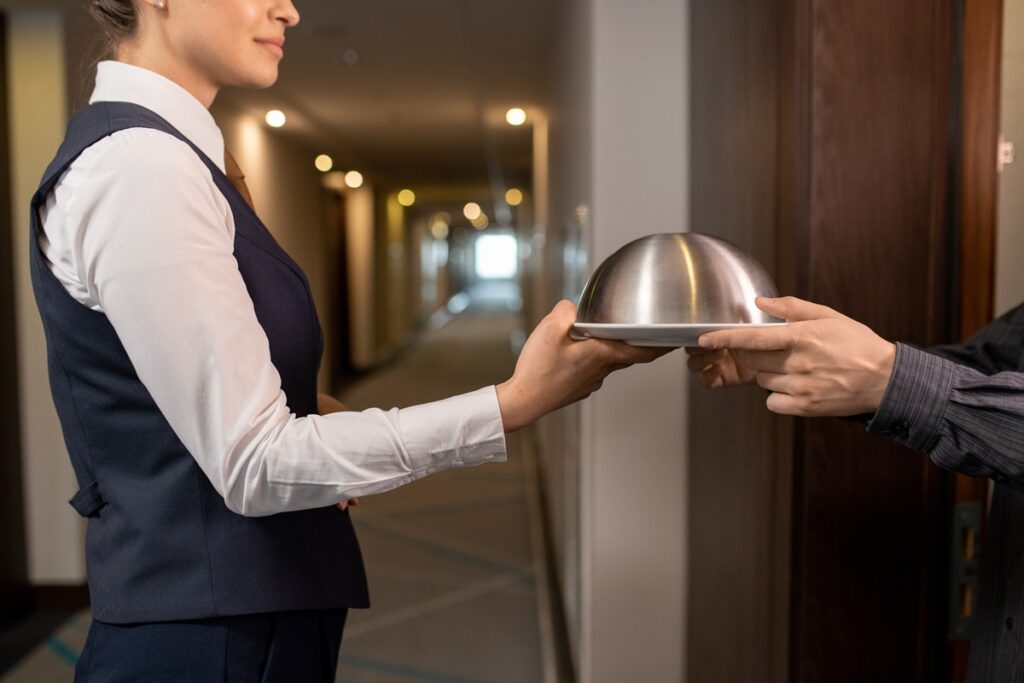
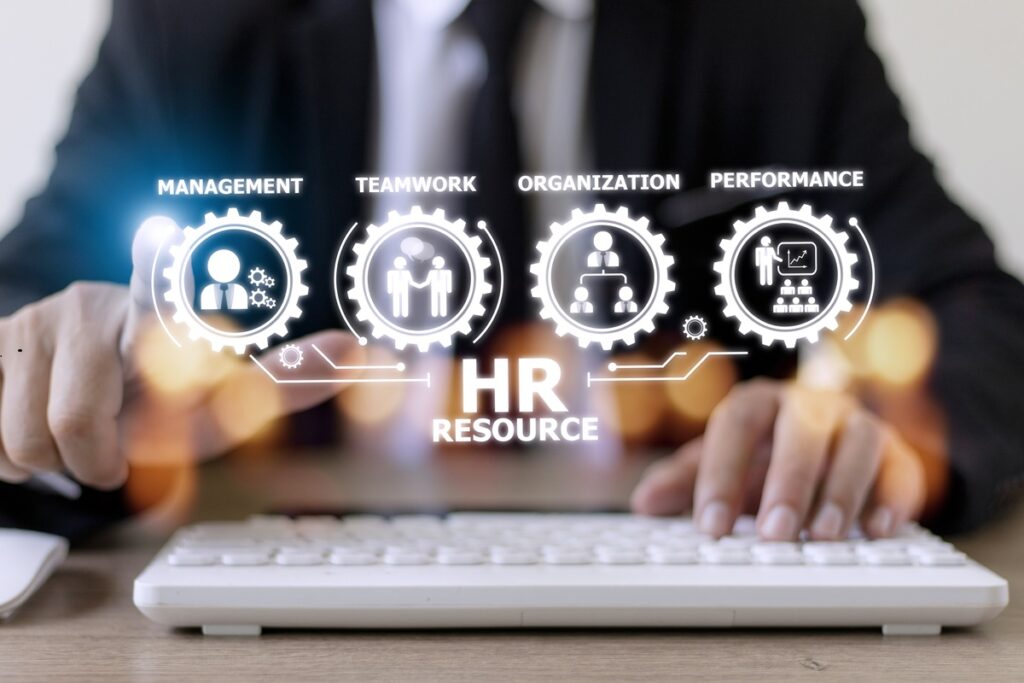
The front office is more than just a place to check in and check out, it is the face and heart of your hotel. It creates the first impression, manages the guest experience, and coordinates almost every service your hotel offers. Improving these operations is crucial for boosting guest satisfaction, reducing staff stress, and increasing profitability.
At E Voyze, we understand the complexity of hospitality operations. With our years of experience providing specialized solutions like the FAST System, we know exactly where operational bottlenecks occur. We help hotels like yours implement strategic workflows and digital tools designed to create smooth, efficient, and memorable guest journeys from the moment they walk through the door.
Why Hotel Front Desk Management is the Heart of a Hotel
Think of your front desk as the central nervous system of your hotel. Everything flows through it. A great front desk manages logistics efficiently, but a truly excellent one delivers warm, personal service that turns first-time visitors into loyal guests.
Key Roles of the Front Desk:
- First Impression: Guests form their initial opinion of your hotel within the first few minutes of interacting with the front desk staff.
- Revenue Management: The team handles crucial tasks like upselling rooms, managing cancellations, and controlling room inventory.
- Information Hub: It serves as the primary point of contact for all guest questions, requests, and concerns, acting as the bridge between guests and every other department (housekeeping, maintenance, F&B).
When the front desk runs smoothly, the entire hotel operates more efficiently and the guest experience improves instantly.
What Exactly Does a Front Office Include in a Hotel?
The term “Front Office” encompasses more than just the desk itself. It includes all the departments and functions related to direct guest contact before, during, and after their stay.
- The Front Desk: The primary service point for check-in, check-out, and immediate guest requests.
- Reservations: The team that handles room bookings, modifications, and inventory management, often integrating directly with the Property Management System (PMS).
- Concierge: Provides specialized services, recommendations for local attractions, transportation, and booking requests.
- Bell Desk/Porter Services: Handles luggage, escorts guests to rooms, and manages deliveries.
- Switchboard/Communications: Manages all incoming and outgoing hotel phone calls and guest communication channels.
What are the Main Front Desk Duties?

The daily responsibilities of a front desk team are demanding and require a sharp focus on both service and administration.
- Check-in and Registration: Processing guest arrivals, verifying reservations, confirming payment, and assigning rooms efficiently.
- Check-out and Billing: Generating accurate folios, processing final payments, handling bill disputes, and managing express check-outs.
- Guest Services and Requests: Coordinating maintenance issues, arranging transportation, delivering requested items, and managing wake-up calls.
- Security and Key Control: Maintaining guest confidentiality, managing room key distribution, and adhering to hotel security protocols.
- Handling Guest Complaints: Acting as the first line of defense for service issues, logging complaints, and ensuring swift resolution by the appropriate department.
Tips to Improve Hotel Front Office Operations
Learning how to improve front office operations in hotel requires a multi-faceted approach, tackling both human processes and technology integration. These strategies are essential for reducing staff stress and elevating the guest experience.
1. Prioritizing Tasks and Ensuring Interdepartmental Harmony
Before adopting new digital tools, hotels must tackle the core human and logistical challenge of managing simultaneous demands and chaotic work environments:
- The Problem of Simultaneous Demands: Staff often struggle to align tasks chronologically. Without clear Standard Operating Procedures (SOPs) for prioritization, urgent issues (like a security alert) may be mistakenly placed behind less time-sensitive tasks (like general administrative filing). This lack of immediate prioritization directly leads to guest dissatisfaction and rushed, error-prone work.
- The Communication Gap: The front desk is useless if it cannot communicate perfectly with the Housekeeping, Engineering, and Food and Beverage (F&B) departments. A simple request for an extra pillow or a broken air conditioner can become a crisis if the message is lost between shifts or recorded on a misplaced paper note. Poor internal communication is the leading cause of guest requests being forgotten or delayed.
- The Key to Control: To move from chaos to order, the front office must implement clear, documented decision-making frameworks. These frameworks guide staff on how to quickly prioritize based on guest impact (e.g., check-in is higher priority than folding brochures) and ensure every guest request becomes a trackable, accountable action item for the correct department.
2. Optimize Workflows with Digital Tools
One of the most effective ways to solve the chaos is by moving away from manual processes toward integrated digital systems:
- The Power of the PMS: Ensure your Property Management System (PMS) is the single source of truth. All front office staff must be expertly trained on the PMS to manage room status updates, booking modifications, and billing accurately.
- Mobile and Self-Service Check-in: Implementing options for mobile check-in and keyless entry dramatically reduces queue times and frees up front desk staff to focus on high-touch service for guests who need personalized attention.
- Automated Communication: Use the PMS or CRM (Customer Relationship Management) to automate welcome emails, pre-stay confirmation messages, and post-stay feedback surveys. This streamlines communication and personalizes the guest experience.
3. Streamline the Guest Journey for Efficiency
Reducing friction points during the busiest times directly leads to higher guest satisfaction and less staff burnout:
- Pre-Arrival Data: Collect essential information (ID, payment method, estimated arrival time) digitally before the guest arrives. This cuts the physical check-in process from minutes down to seconds.
- Strategic Room Assignments: Use the PMS effectively to block rooms for repeat guests or special requests in advance. Coordinate with housekeeping digitally to ensure rooms are marked ready right away, eliminating unnecessary waiting.
- Express Check-out: Encourage guests to confirm their bill via their in-room TV or mobile app. Allowing them to simply drop a key and leave bypasses potential lines at the front desk, ending their stay on a positive note.
4. Elevate Service through Training and Audits
Technology is only as good as the people who use it. Investing in your team is vital for consistent, excellent front office operations:
- Focus on the Soft Skills: Train staff to master empathetic language, active listening, and problem-solving. Role-playing scenarios, particularly complaint resolution, are effective tools.
- Cross-Training: Cross-train front desk staff with the reservations, housekeeping, and bell desk teams. This allows them to understand the operational impact of their actions and communicate more accurately with guests.
- Operational Audits: Regularly use audits and checklists to monitor consistency in procedures. Audit everything from phone etiquette and uniform standards to PMS data entry accuracy. This ensures compliance and pinpoints areas for retraining instantly.
5. Utilizing Guest Data for Hyper-Personalization
The modern front office is a data-driven service center. Leveraging the information collected in your Property Management System (PMS) and Customer Relationship Management (CRM) system is crucial for creating memorable, personalized experiences:
- Data for Anticipation: Use historical data to anticipate needs. If a guest always chooses a high floor and prefers feather-free pillows, the system should flag that preference immediately upon booking. The front desk staff can then confirm this preference upon check-in, making the guest feel instantly recognized and valued.
- Real-time Upselling: Data analytics can predict which guests are most likely to purchase an upgrade. The front desk can use this insight to offer specific upsells (e.g., a spa package or a breakfast voucher) only to the most receptive guests, increasing revenue without annoying others.
- Sentiment Analysis: Integrate guest feedback platforms with the front office. If a returning guest leaves a negative comment about the shower pressure from a previous stay, the front desk team should be alerted to check that specific detail before the guest even reaches the room. Proactive problem solving based on data prevents complaints before they happen.
Key Challenges Facing Modern Hotel Front Desks
Despite advancements in technology, the front office faces several persistent challenges that actively undermine efficiency and service quality. Addressing these issues is the first step toward true improvement.
1. Staff Turnover and Training
The hotel industry sees notoriously high turnover, particularly at the front desk. This leads to a constant cycle of training new employees, often resulting in inconsistent service, high error rates, and difficulty in retaining institutional knowledge about the PMS or guest history.
2. The Technological Divide
While self-service kiosks and mobile apps are effective, they create a divide. Staff must be skilled at managing complex exceptions for high-touch VIPs, while simultaneously troubleshooting basic technology issues for less digitally savvy guests. This demands a versatile skill set that is hard to maintain.
3. Balancing Tasks vs. Service
Front desk agents are expected to be both efficient administrators (processing bills, managing inventory) and warm, engaging hospitality hosts. When the system is slow or the queues are long, the administrative pressure inevitably forces them to sacrifice the genuine, personalized service that guests truly value.
4. Vulnerability to System Downtime
The entire front office is critically dependent on the PMS and the internet. A simple system crash or power outage can instantly revert the entire operation back to a stressful, slow, and error-prone paper-based process, highlighting a major operational risk.
Measuring Success: Key Front Office KPIs
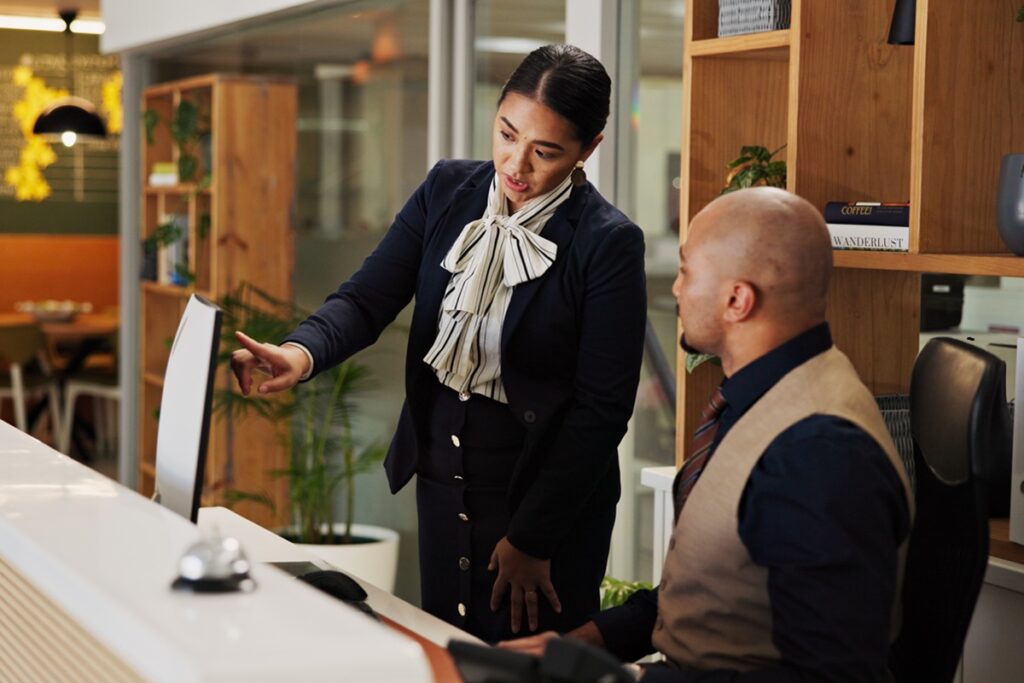
You cannot improve what you don’t measure. Analyzing specific operational and guest satisfaction metrics provides the data needed to guide training and investment decisions:
- Guest-Facing Processing Time (Check-in/out): This is a crucial operational KPI. The goal is to minimize the total time a guest spends standing at the desk. Digital tools should aim to push this metric below 60 seconds for returning or pre-checked-in guests.
- Average Queue Time: Measures the average time a guest waits in line during peak hours. Reducing this metric is a direct indicator of successful workflow optimization and effective staggered staffing.
- RevPAR (Revenue Per Available Room): While often a hotel-wide metric, the front desk directly impacts RevPAR through effective upselling and managing walk-ins. Track the percentage of upgrades successfully sold at the point of check-in.
- Guest Satisfaction Scores (GSS/NPS): Scores specifically related to the arrival experience, speed, and courtesy of the front desk staff are paramount. These scores should be tracked in real-time to identify training gaps immediately.
- Folio Accuracy Rate: Measures the number of guest bills generated without error or dispute. A low error rate indicates staff are well-trained on PMS billing procedures and integrations with F&B or other departments are flawless.
The Future Front Desk: AI and Predictive Analytics
The role of the front desk is rapidly changing, moving away from simple administrative tasks toward intelligent, high-value service. The most successful hotels are embracing the next wave of technology, where advanced tools like Artificial Intelligence (AI) and predictive analytics don’t replace people, but instead automate repetitive work. This shift allows the human team to partner with technology, focusing their time and energy on complex problem-solving and delivering genuine, personal hospitality.
1. AI Chatbots and Voice Assistants
Non-critical guest inquiries (e.g., “What time is the pool open?” or “Where is the nearest pharmacy?”) can be instantly handled by AI-powered chatbots or in-room voice assistants. This frees up the human front desk staff to focus their attention entirely on complex issues, check-ins, or providing specialized personal service.
2. Predictive Staffing
Advanced PMS systems use Machine Learning to analyze historical occupancy, booking pace, and local events to forecast check-in volume with great accuracy. This allows managers to schedule the exact number of staff needed for peak hours, preventing burnout from understaffing and reducing labor waste from overstaffing.
3. Beyond Key Cards
Technologies like biometric authentication (facial recognition) or advanced mobile digital keys will increasingly eliminate the need for physical keys and ID checks at the counter. This streamlines the process and enhances security, making the entire arrival process frictionless and futuristic.
Conclusion
The goal of improving front office operations is to create a seamless, stress-free experience for your guests and your staff. By strategically adopting digital tools, streamlining your guest journey, and focusing on continuous staff training, you can transform the front desk from an administrative bottleneck into a powerful engine for guest satisfaction and loyalty.
At E Voyze, with over 35 years of experience, we provide specialized operational and compliance solutions that give us a unique understanding of hotel management challenges. We don’t just recommend technology, we help integrate and train your team on strategic systems to ensure efficient workflows and exceptional service delivery every single time. Partner with us to take the guesswork out of operational improvement and achieve excellence in your front office.